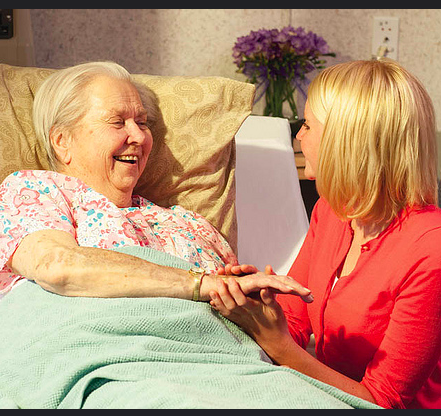
H-E-L-P for Alzheimer’s Caregivers
Alzheimer’s is a demanding disease, and for that reason, the daily responsibilities of a caregiver never end. Anyone taking care of a loved one with Alzheimer’s knows that this is true. They work, work, and work some more. It is easy for caregivers to feel lost, as days run into weeks, and weeks into months. They really need h-e-l-p; someone to come alongside them, not just to cheer them on but also to lift them up in practical ways.
Friends, neighbors, and family members want to help but aren’t sure how to do it. As a caregiver, how often has someone told you, “If there’s anything I can do, please let me know?” This is well appreciated; however, what generally happens is nothing. The status quo continues, and here’s one reason: caregivers don’t come clean on what they are up against, with what, and how they need help.
Break the cycle
Caregivers, you must speak up and ask for help. Be specific when it is offered. When you hear the words, “If there’s anything I can do let me know“, then let them know.
On the other hand, neighbors, friends, and extended family, if the caregiver with whom you’re acquainted doesn’t ask for help, take matters into your own hands. You may not know precisely what he or she faces each day, but some certainties can be identified.
Just like yours, a caregiver’s family eats three meals a day. When you plan and prepare breakfast, lunch, or dinner, the caregiver has one less job to complete.
Running errands is greatly appreciated.
Though a gift card for groceries is lovely, a gift of time might surpass a financial gift, since getting out of the house is an issue for caregivers.
Helping out a caregiver can be as easy as picking up a few staples the next time you’re in the grocery store.
It is a chore to take a loved one to the doctor’s office, find a parking place, and escort them through the parking lot and into the office. Driving right up to the front door would be wonderful. Offer to take your caregiving friend and their loved one to the doctor’s office. Drop them off and pick them up at the entrance.
A picture is worth a thousand words, perhaps especially for caregivers who often miss out on their kids’ events. Be the designated photographer and document the events that your caregiving friend has to miss.
The above are only a few examples of how extended family, friends, and neighbors can ease caregivers’ emotional stress by helping them meet their daily challenges in practical ways.
What are your practical suggestions for helping out caregivers of Alzheimer’s patients? Please share them below.
 navigatingalzheimersdisease.com
1 Pingback